Beginners – Base Camp 1
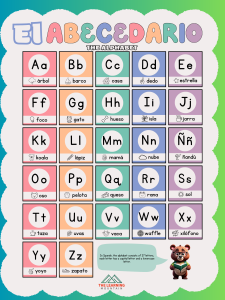
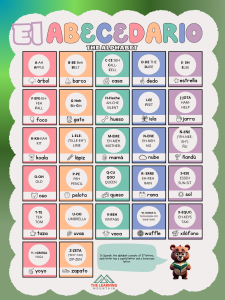
Base Camp 1: The Alphabet
Goal: Learn the Spanish alphabet to «decode the trail signs.
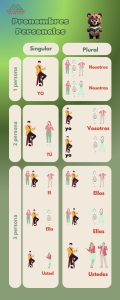
Base Camp 2 – Personal Pronouns – Learn pronouns to «identify your climbing team.»
Ser vs. Estar
| English – Pronoun | Spanish – Pronoun | SER | ESTAR |
| I | Yo | Soy | Estoy |
| YOU | Tú | Eres | Estás |
| HE/SHE | el/ella/Usted | Es | Está |
| WE | Nosotros/as | Somos | Estamos |
| YOU ALL | Vosotros/as | Sois | Estais |
| THEY | Ellos/ellas/ustedes | Son | Están |
«The Weather vs. The Mountain»
- Ser (permanent = the mountain): «Soy alto.»
- Estar (temporary = the weather): «Estoy cansado.»
The verbs «ser» and «estar» both mean «to be» in English, but they are used in different contexts in Spanish. Here’s a clear breakdown of their main differences:
- SER (Permanent or Inherent Qualities)
Use ser for:
✔ Identity (who/what someone or something is):
Yo soy María. (I am María.)
Él es médico. (He is a doctor.)
✔ Origin & Nationality:
Nosotros somos de México. (We are from Mexico.)
Ellos son españoles. (They are Spanish.)
✔ Physical & Personality Traits (considered permanent):
Ella es alta. (She is tall.)
Tú eres simpático. (You are nice.)
✔ Time & Dates:
Hoy es lunes. (Today is Monday.)
Son las tres. (It is three o’clock.)
✔ Possession & Material:
Este libro es de Juan. (This book is Juan’s.)
La mesa es de madera. (The table is made of wood.)
✔ Events (where/when they happen):
La fiesta es en mi casa. (The party is at my house.)
- ESTAR (Temporary States or Conditions)
Use estar for:
✔ Location (where someone/something is right now):
Madrid está en España. (Madrid is in Spain.)
Yo estoy en casa. (I am at home.)
✔ Temporary Physical/Emotional States:
Ellos están cansados. (They are tired.)
Tú estás feliz hoy. (You are happy today.)
✔ Actions in Progress (with -ing):
Ella está comiendo. (She is eating.)
✔ Conditions That Can Change:
La ventana está abierta. (The window is open.)
El café está frío. (The coffee is cold.)
TIP to Remember
SER =
DOCTOR (a mnemonic for its uses):
Description (trait)
Occupation
Characteristic
Time/Date
Origin
Relationship
ESTAR =
PLACE (for its uses):
Position (location)
Location
Action (-ing)
Condition (state)
Emotion
🚫 Incorrect: ~~Soy aburrido.~~ (I am boring. – Permanent trait, but likely means «I’m bored»)
✅ Correct: Estoy aburrido. (I am bored.)
🚫 Incorrect: La manzana es verde. (If you mean unripe, use estar.)
✅ Correct: La manzana está verde. (The apple is unripe.)
Quick Quiz (Ser or Estar?)
Él ___ enfermo hoy.
Nosotros ___ estudiantes.
El libro ___ sobre la mesa.
Tú ___ muy inteligente.